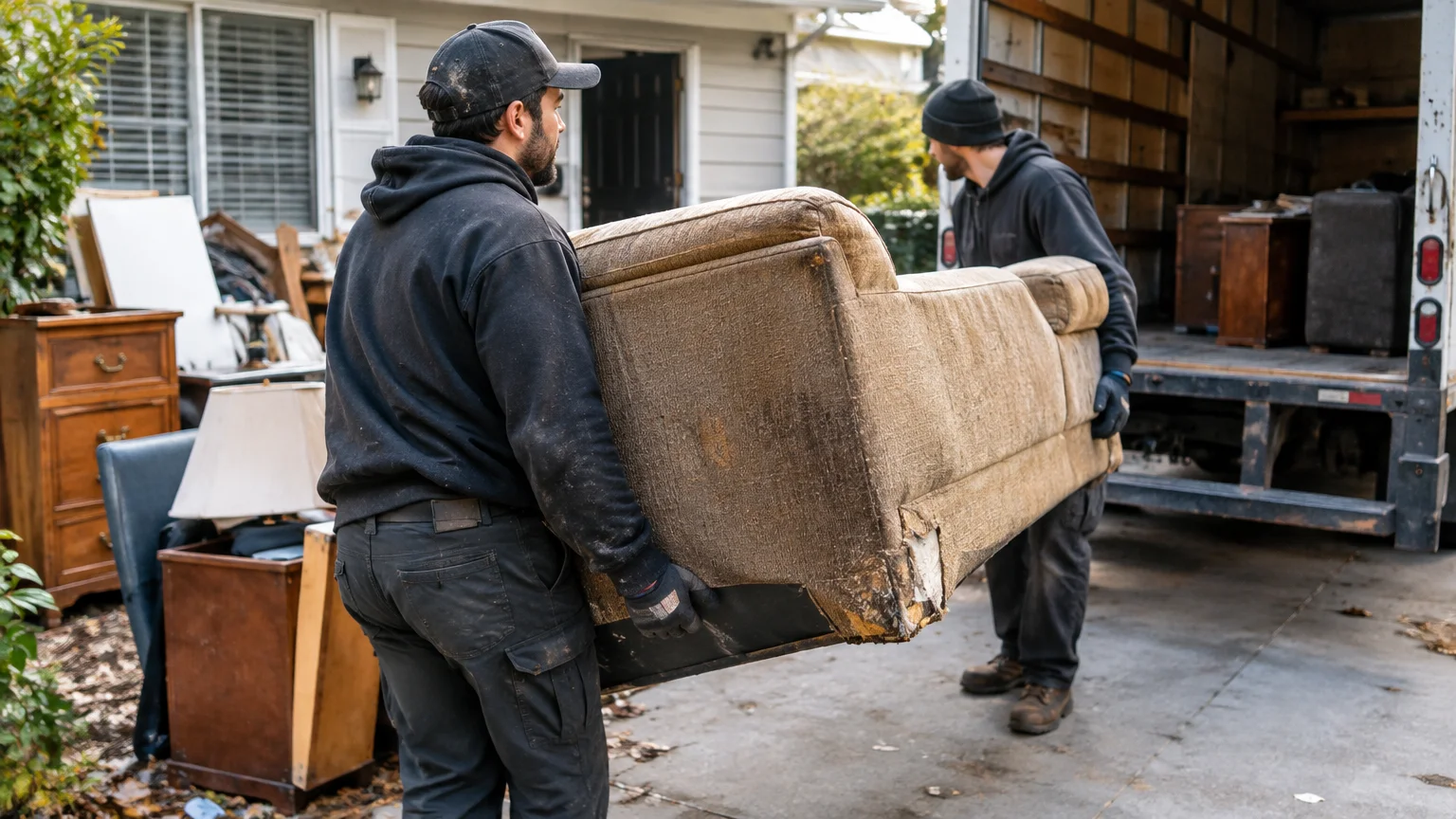
Old furniture removal can help Renton homeowners clear bulky items that are hard to move alone. Before pickup, check whether each piece is still useful or can be recycled. Then empty it, clear a safe path, and tell the provider about damage, stairs, and other access limits. These steps help you plan a safer removal.
What furniture can be removed from a home?
A furniture removal service can often take large household items that are hard to move by yourself. Common items include sofas, chairs, mattresses, bed frames, dressers, desks, tables, and bookcases. Some providers may also take outdoor furniture. Accepted items can vary, so describe what you need removed before pickup.
Which bulky household items are commonly hauled away?
People often ask for help with items that are heavy, awkward, or too large for a car. A sectional sofa may not fit through a doorway in one piece. A tall dresser can also be hard to carry down stairs. Old furniture removal can help clear these items without asking a friend or family member to lift them.
Furniture is not the only thing people may need to clear. A home cleanout can also include appliances, boxes, and other household junk. Rules for appliances, such as refrigerators, may differ from rules for furniture. Ask the provider what they accept before setting items aside.
Can damaged or partly dismantled furniture be removed?
Broken furniture may still be accepted, but the provider needs to know its condition. Explain if a couch has a broken frame or a table has loose parts. This helps the crew plan how to move the item and decide what care it may need.
Do not take apart a large item if that could cause injury or damage. You can remove loose cushions or empty a small drawer when it is safe. Leave heavy lifting, sharp broken pieces, and unstable items to trained workers. Renton Junk Removal can help homeowners check which items may be included in a planned pickup.
How should you prepare old furniture for removal?
Prepare furniture by clearing personal items, choosing what will leave, and making a safe route to the exit. A little planning can help protect walls, floors, and nearby belongings. It also helps the removal team understand the work before moving anything.
How can you clear a safe path through the home?
Move shoes, toys, rugs, and small tables out of the way. Open doors along the route, and keep pets and children in another room. If furniture must pass through a narrow hall or stairway, point out tight turns before anyone starts lifting.
Check that the route from the item to the pickup area is dry and well lit. Do not try to carry a heavy piece down stairs alone. You can safely move light objects and clear clutter. Large or unstable furniture is better left to people with the right tools and experience.
A short checklist can make pickup easier:
- Decide which items are leaving and which must stay.
- Clear small objects from the route and nearby surfaces.
- Tell the provider about stairs, narrow doors, and access limits.
- Keep children and pets away from the moving area.
What should you do with drawers, shelves, and personal items?
Empty drawers, cabinets, and shelves before pickup. Check behind and beneath furniture for personal items, cords, and small objects. Remove glass shelves or loose parts only if you can handle them safely. Keep screws and other hardware together if the furniture may be reused or donated.
Mark any items that should stay. This is important when furniture sits near other household goods during a cleanout. If a home is being cleared after a move or foreclosure, make sure the owner or property manager has approved what can leave. Clear instructions can help prevent an item from being taken by mistake.
What are the options for reusing or disposing of old furniture?
Furniture in good shape may be suitable for donation or resale. Pieces that are broken, worn, or unsafe may need recycling or disposal instead. Check each item’s condition first, then ask local groups or service providers what they accept.
When is furniture suitable for donation or resale?
A usable piece is usually clean, sturdy, and safe to sit on or store items in. Check for loose legs, broken supports, strong odors, stains, and damage from water or pests. A donation group may have its own rules and may not accept some items.
For resale, take clear photos and describe any wear honestly. Measure the item and note whether it comes apart. This helps a buyer decide if it will fit in their home. If arranging a sale takes too much time, a removal service may be a simpler way to clear space.
How can recycling and responsible disposal reduce waste?
Some furniture has materials that can be sorted or reused, such as metal, wood, or fabric. The choices depend on the item and the local services available. Ask a recycling center or removal provider what they can handle. Do not assume every piece belongs in a curbside bin.
A responsible provider can explain whether furniture may be reused, donated, recycled, or sent for disposal. Ask how they handle items that cannot be used again. These same questions can help with junk removal and larger home cleanouts. Clear answers make it easier to choose what fits the item and your household’s needs.
When should you hire a furniture removal service?
Hire help when furniture is too heavy, too large, or awkward to move safely. A service can also help when several pieces need to leave at once or a property must be cleared. For small, light items, you may be able to move them yourself.
What should you consider when choosing a removal provider?
Look for a provider that clearly explains what items it accepts and how pickup works. Ask whether the team can manage stairs, tight hallways, or furniture that needs careful handling. A full-service junk removal company should discuss the planned work before pickup. This can help you avoid unclear details on removal day.
Read recent customer feedback and check that the provider serves your area. In Renton, compare what local companies say about item handling and scheduling. Do not assume every provider accepts mattresses, appliances, or damaged furniture. Confirm those details before you set items aside.
What information helps plan a smooth pickup?
Share the number and type of items, their condition, and where they are inside the home. Mention stairs, elevators, narrow doors, parking limits, or other access concerns. Photos can help show the size and condition of a piece if the provider asks for them.
You can handle simple tasks, such as sorting items and clearing a walkway. You do not need a professional to empty a drawer or move a light chair. But lifting a large sofa, carrying a mattress down stairs, or moving broken furniture can be risky. When the job seems unsafe, let trained workers handle it.
Frequently Asked Questions
These answers cover common questions about residential furniture removal. They may also help readers comparing search results for retail removal faqs, though this guide focuses on furniture in homes. If your needs include other household items, ask what the provider can take.
How do you get rid of old furniture?
Start by checking whether the piece is safe and useful. You can offer sturdy furniture for donation or resale, ask about recycling, or arrange pickup for items that cannot be reused. For heavy or bulky pieces, a removal service can help move them safely from your home.
Can broken furniture be picked up?
Many providers may take broken furniture, but acceptance depends on the item and the service. Describe the damage before pickup, including loose parts or sharp edges. Avoid carrying unstable furniture yourself. A provider can explain whether the piece can be removed and how to prepare it.
Should furniture be emptied before pickup?
Yes. Remove belongings, loose items, and anything stored in drawers or cabinets. Check nearby spaces for personal items that could be left behind. Keep the route clear and tell the provider which pieces are going. Do not remove heavy parts if doing so could cause injury.
Can a removal service take furniture from upstairs?
Some providers can remove furniture from upstairs, but access and item size matter. Tell them about stairs, narrow landings, and tight turns before pickup. Do not try to carry a large piece down stairs alone. The provider can confirm whether the planned removal can be done safely.
Key takeaways
- Old furniture may be donated, resold, recycled, or removed, based on its condition.
- Empty furniture and clear a safe route before pickup.
- Tell the provider about damage, stairs, and other access limits.
- You can sort light items yourself, but avoid unsafe heavy lifting.
Conclusion
Old furniture removal is easier when you sort items, clear a safe route, and share access details before pickup. Donation or reuse may suit sturdy pieces, while damaged items may need another option. Renton Junk Removal helps Renton homeowners plan what happens next. Find out more about our furniture removal in Renton. Contact us to arrange a furniture pickup.